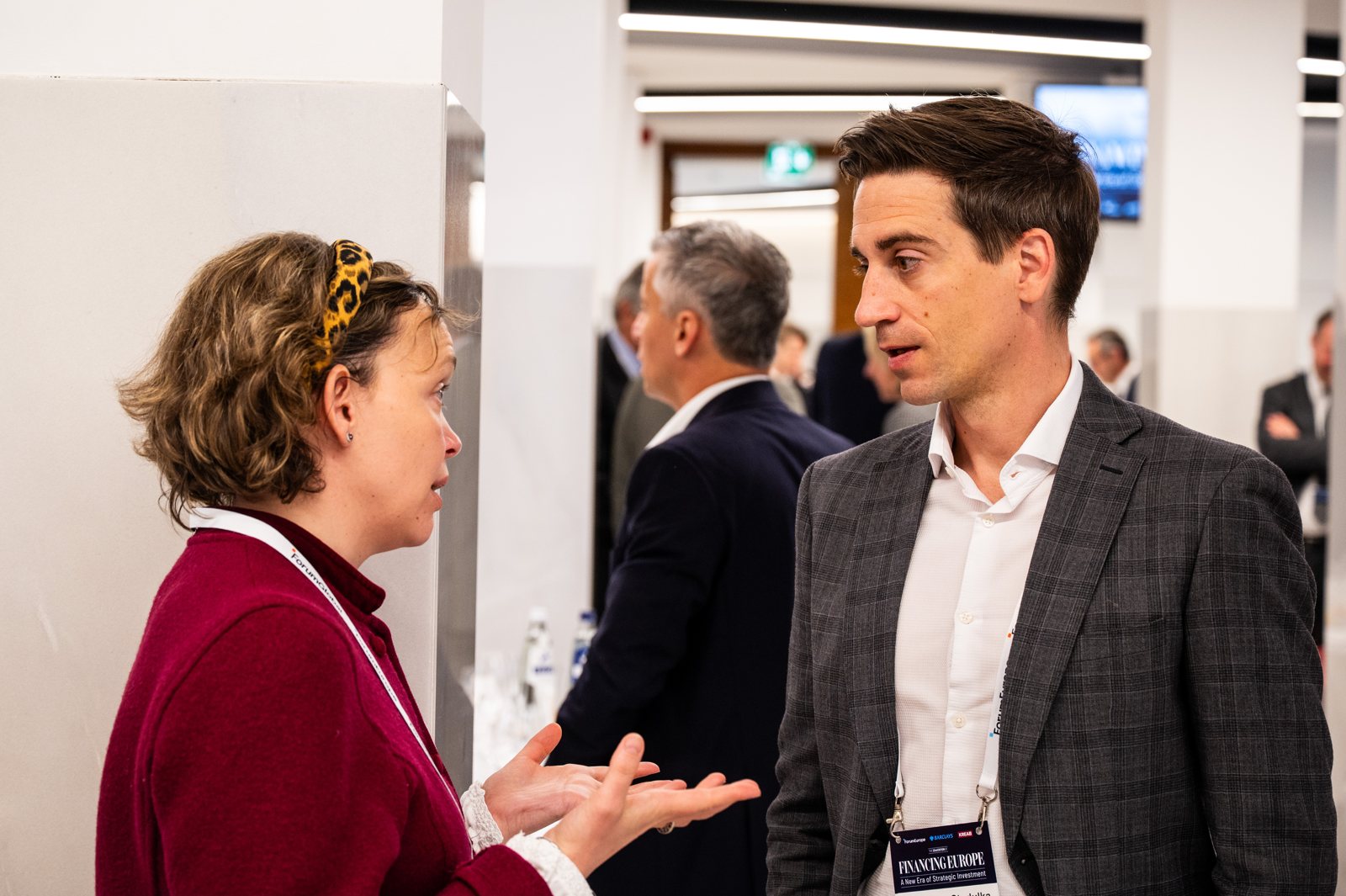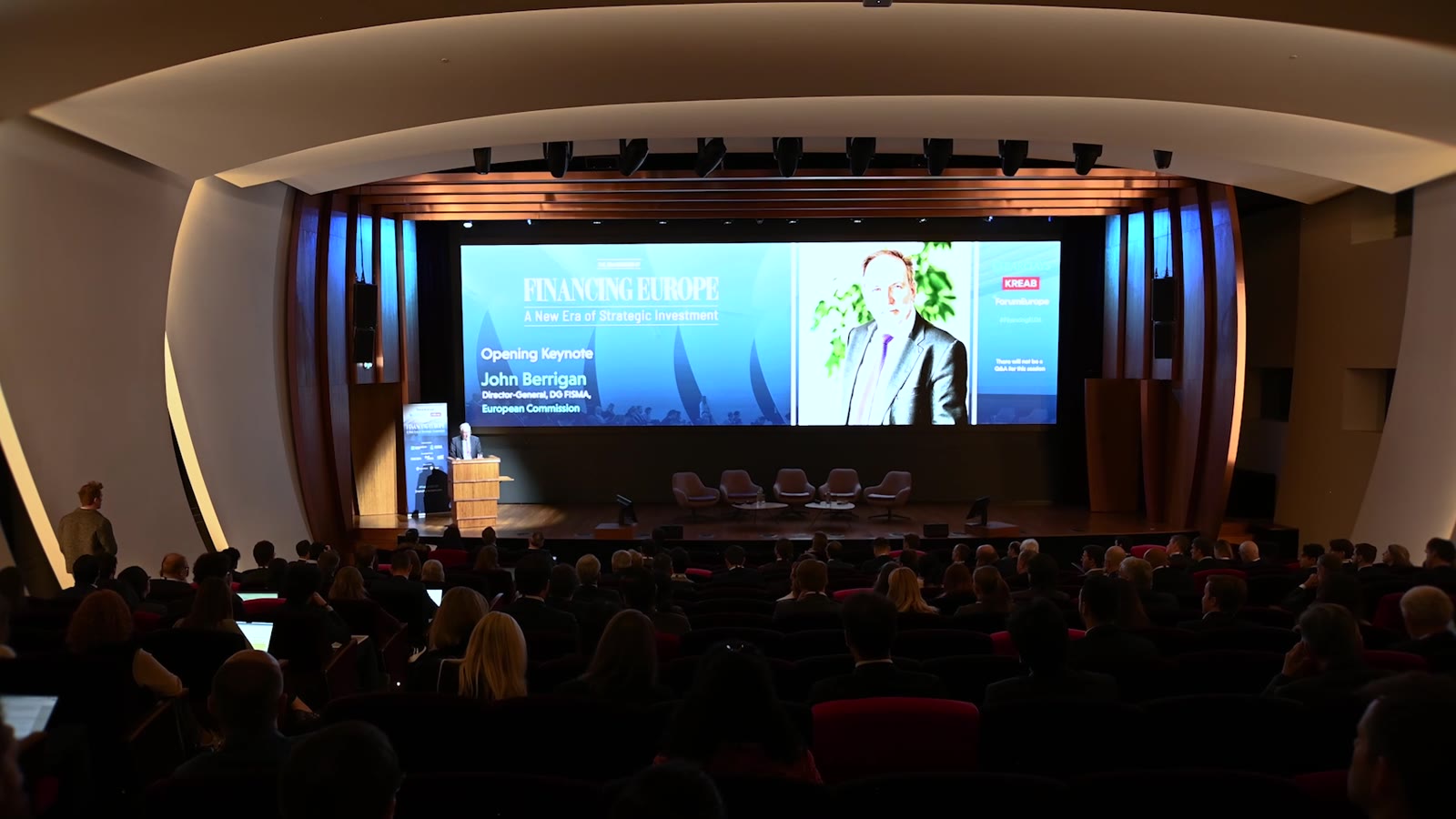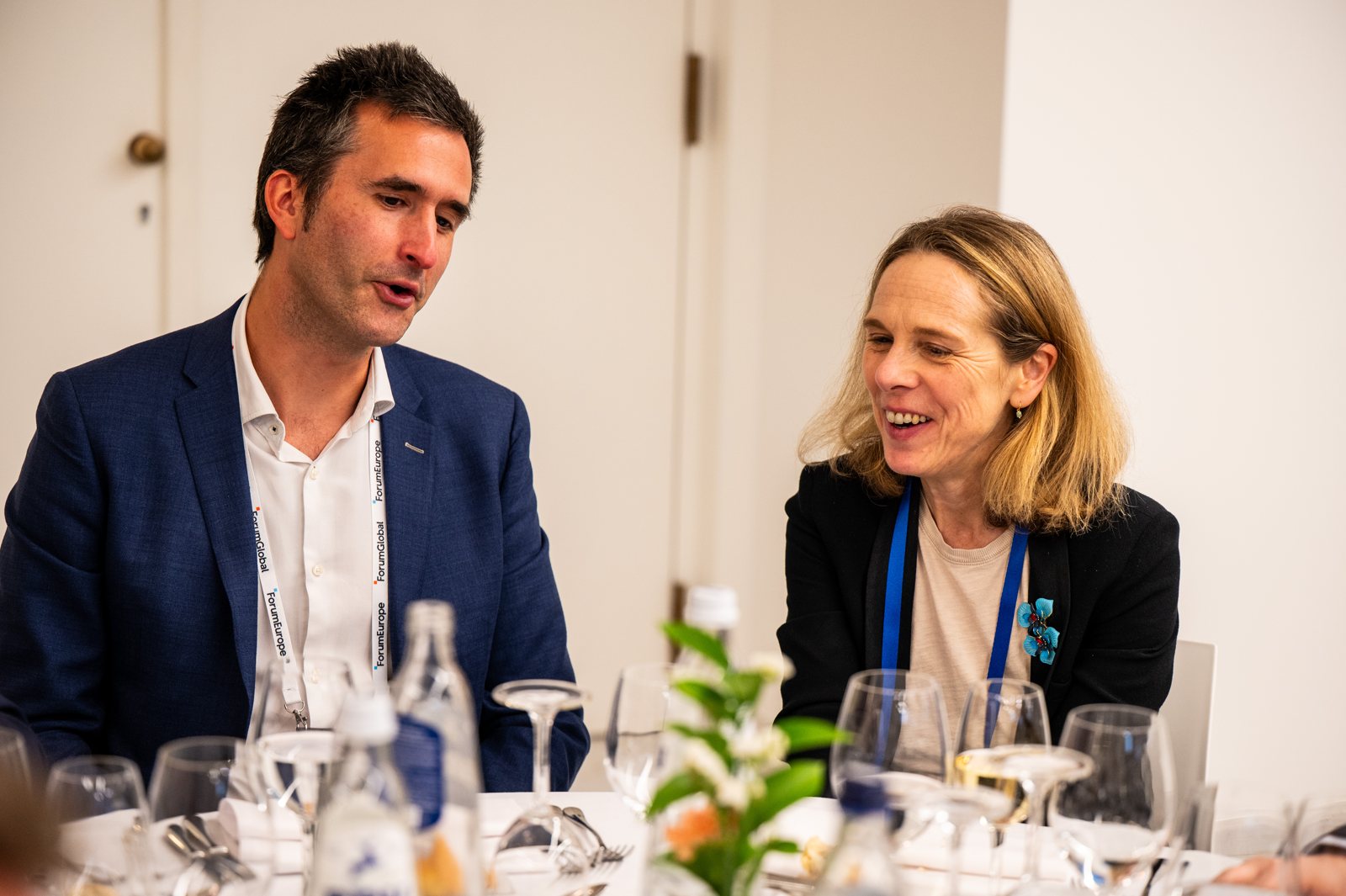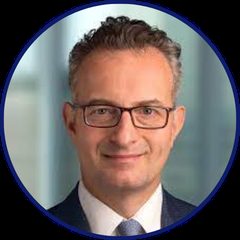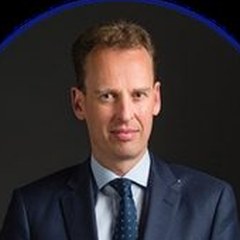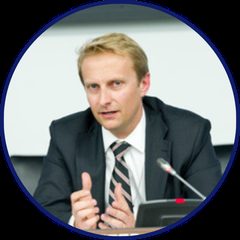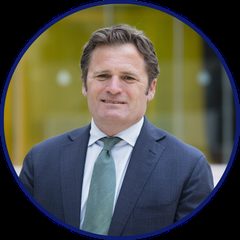
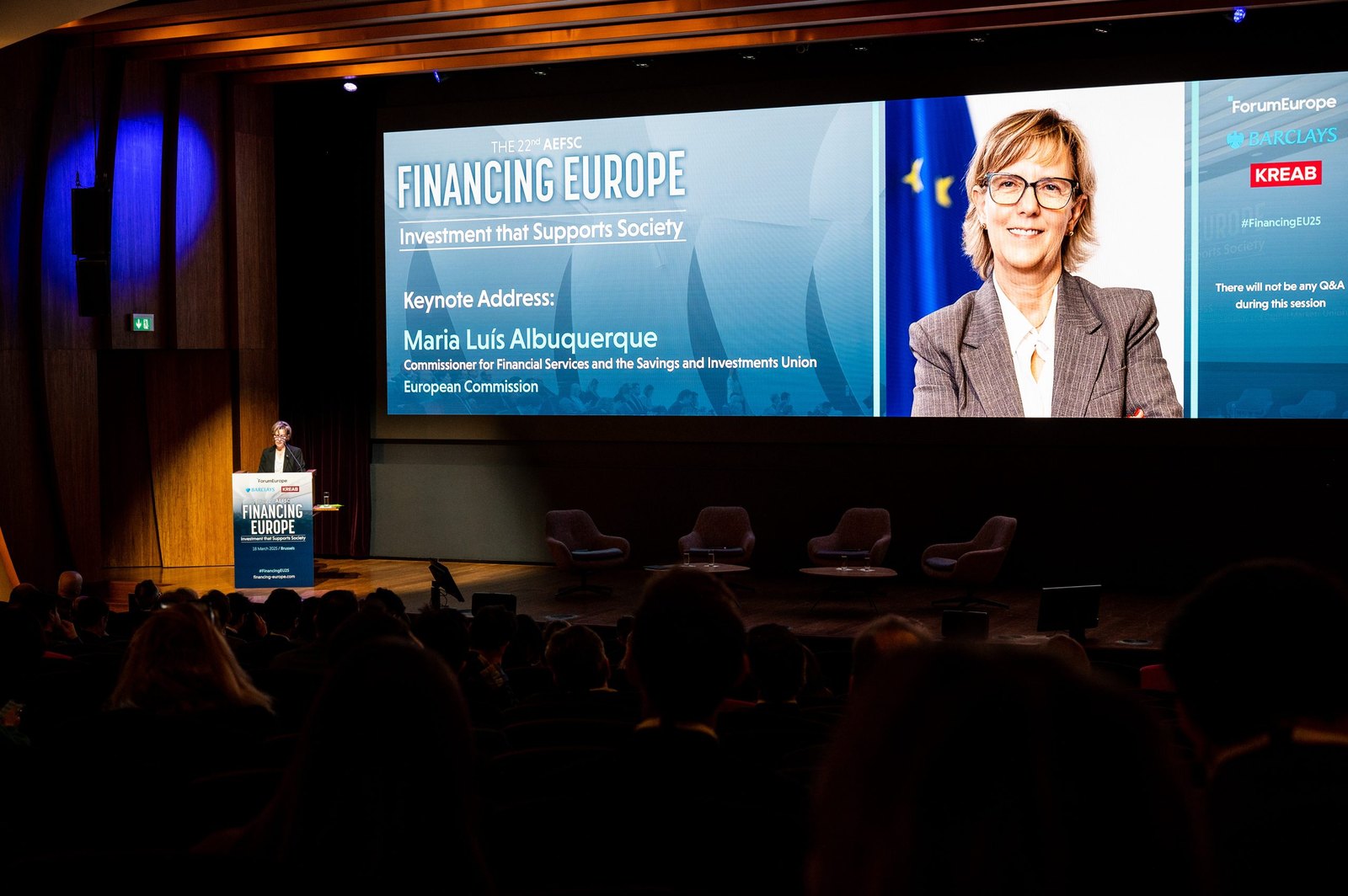

Europe faces a pivotal moment. Against a backdrop of intensifying geopolitical headwinds, its fragmented regulatory framework struggles to keep pace with accelerating challenges. Recognising this urgency, the European Commission has set an ambitious agenda to deliver the green and digital transitions while securing strategic autonomy. This mandate prioritises enhancing competitiveness and boosting productivity across critical sectors, underpinning a renewed industrial strategy where security and resilience form the essential backbone. Crucially, financing these priorities requires the EU to confront the persistent investment gap that has constrained its potential for decades.
The critical question is no longer if Europe should act, but how it can effectively mobilise increased capital, such as private savings, into the real economy. The Savings and Investment Union (SIU) has emerged as the cornerstone of Europe’s ambition, aiming to cultivate a regulatory environment conducive to growth. Regulatory simplification—cutting red tape to enable European businesses to scale up—is central to this objective. The EU faces a stark choice: forge a consensus to address structural weaknesses and seize strategic opportunities, or risk diminishing its significance on the global stage.
Financing Europe 2026 will convene leaders from European industry, global finance, and EU and Member State policymaking to examine the urgent choices ahead. Discussions will focus on how to supercharge the EU’s capacity to act, and how greater political ambition, regulatory reform, and supervisory convergence might shape Europe’s competitiveness and resilience in the years ahead.
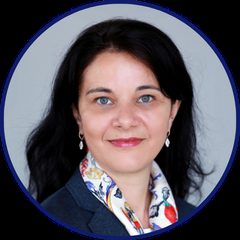
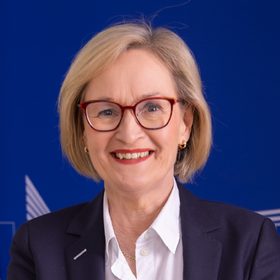
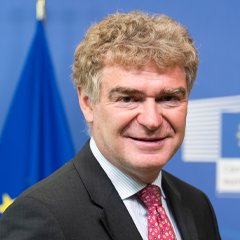
Maria Luís Albuquerque
Commissioner for Financial Services and the Savings and Investments Union,
European Commission
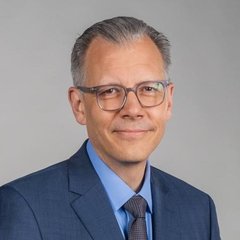
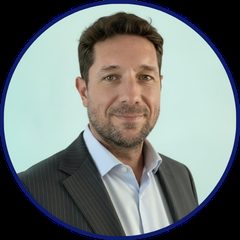
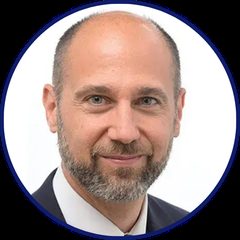
Ulrich Bindseil
Director General
European Central Bank
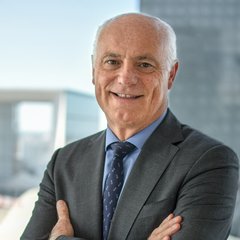
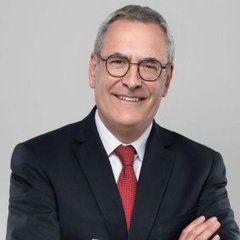
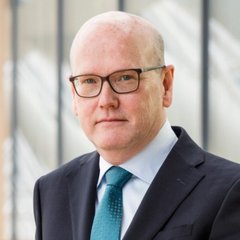
José Manuel Campa
Chairperson
European Banking Authority
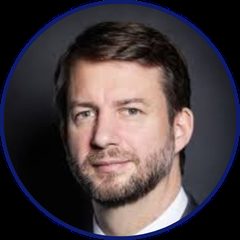
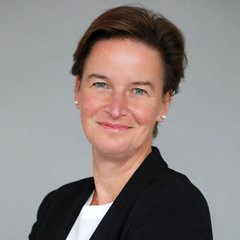
Nikhil Rathi
Chief Executive Officer
Financial Conduct Authority
Dominique Laboureix
Chair
Single Resolution Board
Alexandra Jour-Schroeder
Deputy Director-General, DG FISMA
European Commission
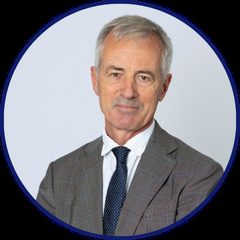
Kim Jørgensen
Director General and Permanent Representative to the EU Institutions in Brussels
European Investment Bank
Francesco Ceccato
Chief Executive Officer
Barclays Europe
Note: All session timings below are in Central European Time (CET) and are subject to amendments
You can also download a PDF version of the agenda here
Geopolitical fragmentation is no longer a background condition; it is reshaping Europe’s growth model, investment priorities, and risk assumptions. Strategic autonomy now spans energy security, critical supply chains, technological leadership, defence-readiness, and the resilience of infrastructure and industry.
But Europe’s ability to act in this environment depends on its ability to finance at scale, mobilising long-term capital while remaining open, interconnected, and credible to global investors. That means not only having priorities but also having financing pathways that turn priorities into projects: bank capacity, institutional capital, and market depth.
This session examines the strategic trade-offs at the heart of Europe’s agenda. How do firms and financial institutions judge competitiveness when other major markets move faster and finance scale more easily? What does “de-risking” mean in practice without tipping into costly fragmentation? And how can Europe strengthen its capacity to fund and retain growth, so that innovation scales in Europe, and ownership and listing decisions are not structurally pulled elsewhere?
As Europe competes fiercely for global capital, what conditions must be met for international investors to choose the EU? This interview will explore the realities of global capital flows and the imperatives for regulatory coherence, particularly regarding alignment with other jurisdictions. We examine the strategic adjustments Europe must make to ensure its market remains deeply interconnected with, rather than isolated from, the established markets of the US and the dynamic growth centres of Asia.
Europe has spent years debating how to progress the Capital Markets Union; the SIU raises the stakes by demanding delivery. Fragmentation still limits citizens’ access to growth assets and prevents companies, from SMEs to industrial champions, from raising capital across borders with the simplicity and speed the economy now requires.
This session drills into the “plumbing”: the regulatory, supervisory, and market-structure reforms needed to mobilise savings into productive investment at scale. It will examine what implementation really means – supervisory convergence, retail participation incentives, smoother cross-border flows, the role of market infrastructure, and the practical steps that reduce complexity for firms trying to finance growth.
It will also tackle the credibility question at the heart of reform: can Europe simplify rules while strengthening stability, and avoid building a system that is safer on paper but less investable in practice?
Europe’s digital transition is no longer a question of adoption; it is a question of strategic capacity. As AI accelerates and tokenisation moves from pilots to production, Europe must decide how to compete in the global digital asset landscape while protecting financial stability, consumer trust, and economic sovereignty. This lunch session explores the next frontier: payments innovation, tokenised securities, regulated stablecoins, and AI-enabled financial services, and what it would take for Europe to lead, not simply regulate. Scaling EU digital capital markets now requires urgent action on legal harmonisation and higher DLT thresholds, a momentum reflected in the recent digital assets own-initiative (INI) report and the consultation on the Markets in Crypto-Assets (MiCA), which precludes its review in 2027. A central thread will be the evolving role of digital assets within the European financial landscape. This includes a discussion of how the evolving roles of tokenised deposits, stablecoins, and wholesale settlement solutions in financial markets might impact market resilience and reliance on non-European infrastructure. By exploring these different instruments, the session will consider how Europe can foster innovation atop robust, interoperable infrastructure while remaining globally competitive.
Geopolitical fragmentation is no longer a background condition; it is reshaping Europe’s growth model, investment priorities, and risk assumptions. Strategic autonomy now spans energy security, critical supply chains, technological leadership, defence-readiness, and the resilience of infrastructure and industry.
But Europe’s ability to act in this environment depends on its ability to finance at scale, mobilising long-term capital while remaining open, interconnected, and credible to global investors. That means not only having priorities but also having financing pathways that turn priorities into projects: bank capacity, institutional capital, and market depth.
This session examines the strategic trade-offs at the heart of Europe’s agenda. How do firms and financial institutions judge competitiveness when other major markets move faster and finance scale more easily? What does “de-risking” mean in practice without tipping into costly fragmentation? And how can Europe strengthen its capacity to fund and retain growth, so that innovation scales in Europe, and ownership and listing decisions are not structurally pulled elsewhere?
As Europe competes fiercely for global capital, what conditions must be met for international investors to choose the EU? This interview will explore the realities of global capital flows and the imperatives for regulatory coherence, particularly regarding alignment with other jurisdictions. We examine the strategic adjustments Europe must make to ensure its market remains deeply interconnected with, rather than isolated from, the established markets of the US and the dynamic growth centres of Asia.
Europe has spent years debating how to progress the Capital Markets Union; the SIU raises the stakes by demanding delivery. Fragmentation still limits citizens’ access to growth assets and prevents companies, from SMEs to industrial champions, from raising capital across borders with the simplicity and speed the economy now requires.
This session drills into the “plumbing”: the regulatory, supervisory, and market-structure reforms needed to mobilise savings into productive investment at scale. It will examine what implementation really means – supervisory convergence, retail participation incentives, smoother cross-border flows, the role of market infrastructure, and the practical steps that reduce complexity for firms trying to finance growth.
It will also tackle the credibility question at the heart of reform: can Europe simplify rules while strengthening stability, and avoid building a system that is safer on paper but less investable in practice?
Europe’s digital transition is no longer a question of adoption; it is a question of strategic capacity. As AI accelerates and tokenisation moves from pilots to production, Europe must decide how to compete in the global digital asset landscape while protecting financial stability, consumer trust, and economic sovereignty. This lunch session explores the next frontier: payments innovation, tokenised securities, regulated stablecoins, and AI-enabled financial services, and what it would take for Europe to lead, not simply regulate. Scaling EU digital capital markets now requires urgent action on legal harmonisation and higher DLT thresholds, a momentum reflected in the recent digital assets own-initiative (INI) report and the consultation on the Markets in Crypto-Assets (MiCA), which precludes its review in 2027. A central thread will be the evolving role of digital assets within the European financial landscape. This includes a discussion of how the evolving roles of tokenised deposits, stablecoins, and wholesale settlement solutions in financial markets might impact market resilience and reliance on non-European infrastructure. By exploring these different instruments, the session will consider how Europe can foster innovation atop robust, interoperable infrastructure while remaining globally competitive.
Savings and Investment Union: Europe’s New Competitiveness Pillar
Simplification to Unlock Investment
Financing Europe’s Strategic Autonomy
Winning Global Capital: EU, US & Asia
To discuss sponsorship and visibility opportunities at Financing Europe 2026, please contact Karen Fernandes Jones at karen.f.jones@forum-europe.com
A speaking position for a company representative to participate in one of the main plenary sessions
Inclusion of your organisation name and logo across all pre-event and event day materials
An interview opportunity for your Chairman or CEO speaker to be shared on the event website, social channels and post event material
A guaranteed place for your Chairman or CEO to attend the invitation only VIP dinner
Guaranteed attendance at the invitation only VIP lunch debate with the participation of senior international speakers (Up to a table of 10)
An exhibition booth to showcase your products and solutions or share a paper with the audience
To find out more about the sponsorship opportunities available, please get in touch by clicking the button below.
Forum Europe | Event Organiser Forum Europe events are where people and policy meet. We have been organising policy conferences in Brussels and around Europe since 1989. Our events provide unique insights from the people behind the policy and those seeking to influence it. Our expert team develop conference programmes with impact and provide first-class event logistics. Forum Europe is more than an event management and conference production specialist. With offices in Brussels and the UK, we operate across Europe and globally. Through our international arm, Forum Global, our events cover five continents, and engage policymakers and industry at national and regional levels around the world. Our mission is to drill down to the issues that matter, creating policy events that are ahead of the curve, facilitating frank and open debate on some of the most pressing issues facing Europe and the world today. Visit website: https://www.forum-europe.com
Barclays | Event Host Barclays is a major global financial services provider engaged in personal banking, credit cards, corporate and investment banking and wealth and investment management with an extensive international presence in Europe, the Americas, Africa and Asia. With over 300 years of history and expertise in banking, Barclays operates in over 50 countries and employs 140,000 people. Visit website: www.barclays.com
Kreab | Event Host Kreab is a world leading communications consultancy. We provide independent and strategic advice on high-stakes financial, corporate and public affairs communications. With operations in 25 countries, and over 350 highly experienced consultants, we offer communications counsel to the highest levels within companies, organizations, governments and governmental agencies. Visit website: www.kreab.com
BNP Paribas Fortis | Event Partner BNP Paribas Fortis is an international bank based in Belgium and a subsidiary of French banking group BNP Paribas.
BNP Paribas Fortis offers the Belgian market a comprehensive range of financial services a range of client types, including individual customers, self-employed people and those in the liberal professions, small and medium-sized companies, local businesses, corporate clients and non-profit organisations. In the insurance sector, BNP Paribas Fortis works closely, as a tied agent, with Belgian insurance company AG Insurance.
BNP Paribas Fortis is the number-one bank for retail customers in Belgium in terms of market share and it has a strong market position among professionals and small businesses. BNP Paribas Fortis is also the leading private bank in Belgium. It ranks number one in corporate banking, offering a full range of financial services to corporate clients, public-sector entities and local authorities. Outside Belgium the bank supports via BNP Paribas group’s international network of branches across 63 countries. The commercial organisation of the bank comprises the entities Retail Banking, Affluent & Private Banking and Corporate Banking:
Barclays | Event Host We are a leading international banking group, with a presence in 54 of the world’s most dynamic markets. Our purpose is to drive commerce and prosperity through our unique diversity, and our heritage and values are expressed in our brand promise, here for good.
Standard Chartered PLC is listed on the London and Hong Kong stock exchanges.
For more stories and expert opinions please visit Insights at sc.com.
ECSDA | Knowledge Partner ECSDA represents 40 national and international central securities depositories (CSDs) across 36 European countries. The association provides a forum for European CSDs to exchange views and take forward projects of mutual interest. It aims to promote a constructive dialogue between the CSD community, European public authorities, and other stakeholders aiming at contributing to an efficient and risk-averse infrastructure for European financial markets.
EFAMA | Knowledge Partner EFAMA, the European Fund and Asset Management Association, is the voice of the EUR 28.5tn European investment management industry.
As a trade association, our role is to promote the interests of our members and raise awareness of the importance of the services and solutions they provide.
Our pan-European membership as well as our governance ensure that we represent the rich diversity of the European investment management industry, and not merely a subset thereof. This makes us the natural interlocutor of the EU institutions for all issues relevant to our sector. Our remit goes beyond the EUR 31tn however. We support open and well-functioning global capital markets and engage with international standard setters and relevant third country authorities on a wide range of issues.
Since its establishment, EFAMA has been fully supportive of the EU project and working hard towards helping the EU achieve its objectives, whether in terms of single market, consumer protection or more recently CMU and sustainable finance.
Invest Europe | Knowledge Partner Invest Europe is the world’s largest association of private capital providers. We represent Europe’s private equity, venture capital and infrastructure investment firms, as well as their investors, including some of Europe’s largest pension funds and insurers.
Our aim is to promote a better understanding of private equity that enables our members to invest capital and expertise into improving businesses and generating returns for investors, free from unnecessary regulation and constraints.
Invest Europe’s members take a long-term approach to investing in privately-held companies, from start-ups to established firms. They inject not only capital but dynamism, innovation and expertise. This commitment helps create healthy and sustainable companies across Europe, securing millions of jobs and delivering strong returns for leading pension funds and insurers whose members depend on them for their retirements.
Participants
Since inception
Senior International Participants
Annually
Top-Level Speakers
Since inception
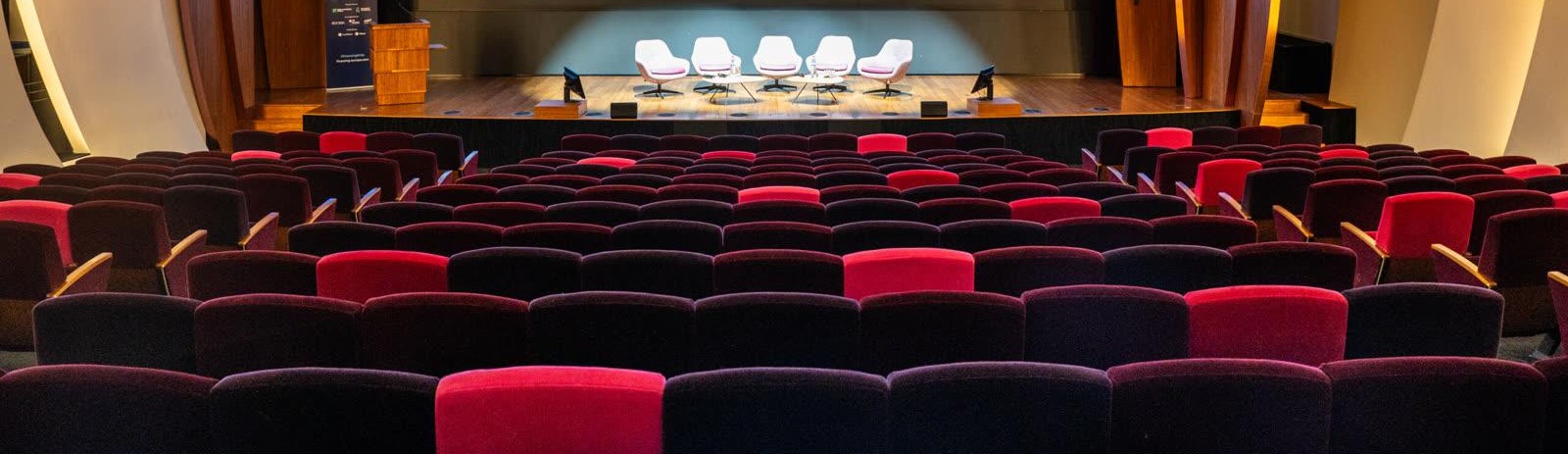
BNP Paribas Auditorium
Rue de la Chancellerie 1, 1000 Bruxelles, Belgium
For more information on any aspect of this event, please contact Grace Kemp using any of the details below.
Grace Kemp
Event Manager
Forum Europe
financingeurope@forum-europe.com
More details on the conference will be sent shortly.
For any questions in the meantime, please contact FinancingEurope@forum-europe.com